
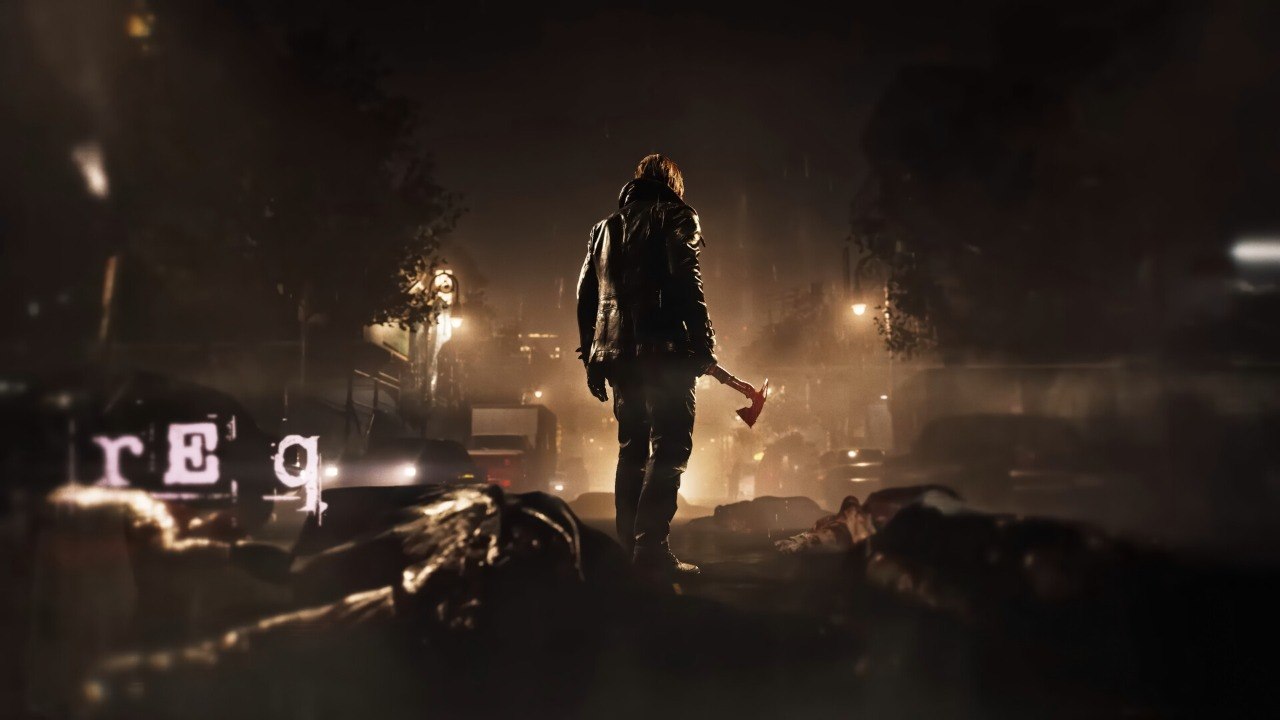
The release of Resident Evil Requiem (RE9) on February 27, 2026, sent a jolt through the survival horror community. While much of the early buzz centered on new protagonist Grace Ashcroft and the return of an aging Leon S. Kennedy, the true star of the show is the setting itself: Wrenwood.
Forget the sprawling gothic castles or sun-scorched European villages of previous entries. Wrenwood is a suffocating, atmospheric masterclass in urban decay—a town that feels less designed and more unearthed. Here’s why this location stands as the most unsettling environment in the franchise’s long history.
The Ghost of Raccoon City
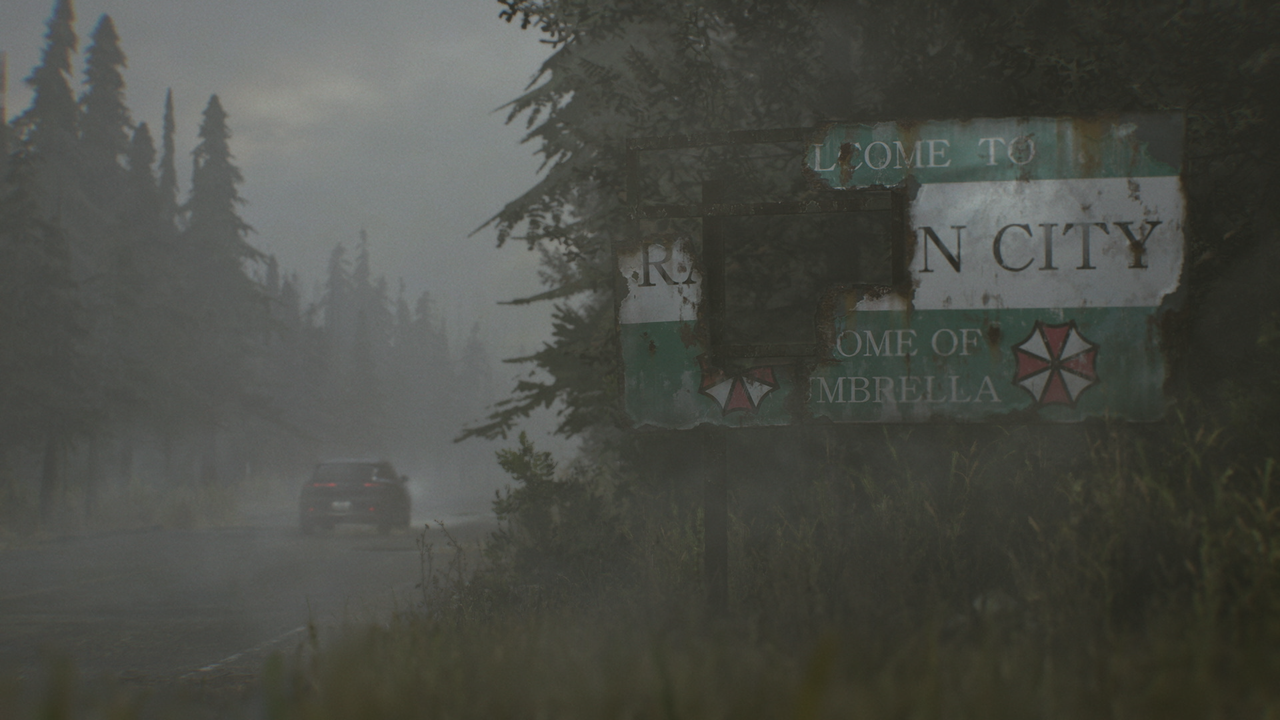
Wrenwood’s horror is rooted in its geography. Situated just a few miles from the “Dead Zone”—the sterilized, walled-off ruins of Raccoon City—the town feels cursed by sheer proximity.
Capcom employs a subtle “looming skyline” technique: during certain weather cycles, the charred skeletal remains of Raccoon City are visible on the horizon. It’s not a jump scare. It’s a quiet, permanent reminder that the nightmare of 1998 never truly left the soil. It only migrated.
The first time I saw the Raccoon City skyline through the fog, I froze. It’s not a cutscene. It’s just there, in the distance, while you’re rummaging for ammo. That quiet dread is something Capcom hasn’t captured since the original RE3.
The Wrenwood Hotel: A Study in Claustrophobia
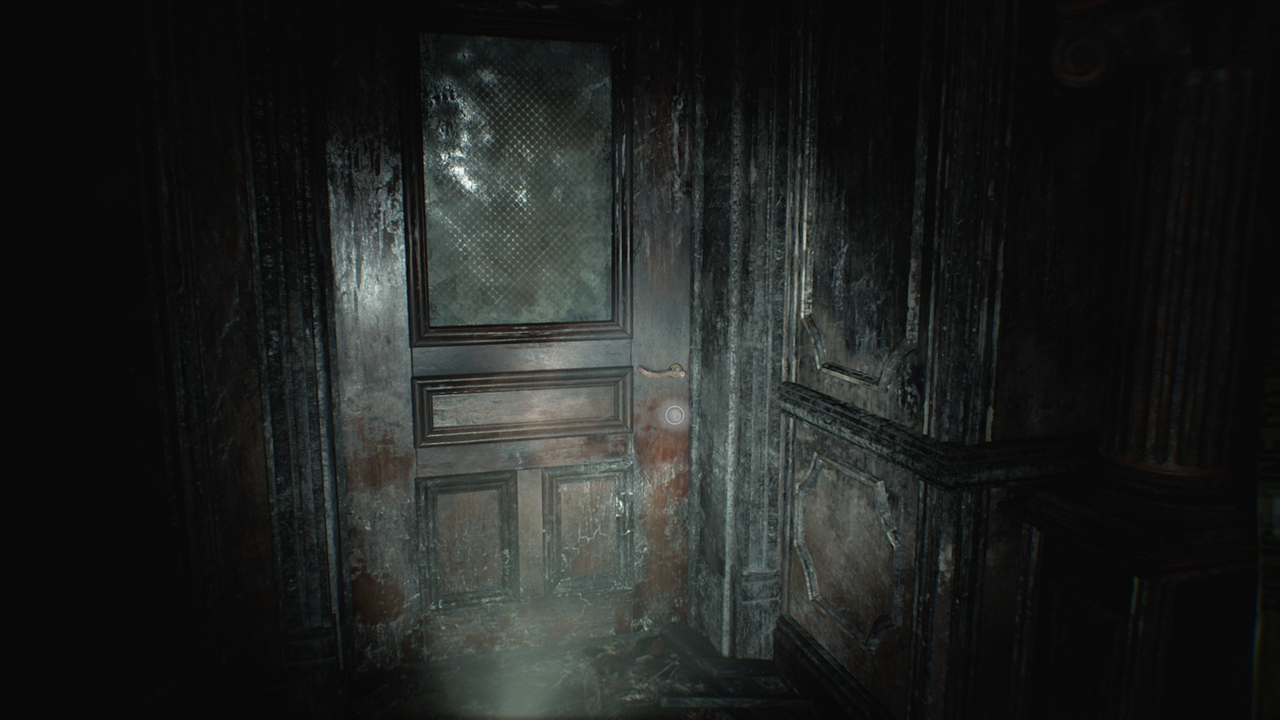
If the Spencer Mansion was cold aristocratic grandeur, the Wrenwood Hotel is grimy, mid-century modern, and deeply unsettling in its familiarity. It’s the kind of place that feels lived-in, then abruptly abandoned mid-scream.
Environmental storytelling takes center stage. Blood-stained guest ledgers sit open at the front desk. Half-eaten meals rot in the dining hall. Upstairs, the narrow, flickering hallways toy with your peripheral vision. Capcom’s new lighting engine creates shadows that seem to shift the moment you turn away—a constant, breathless tension that makes even an empty corridor feel dangerous.
The Return to Clinical Horror: Wrenwood General
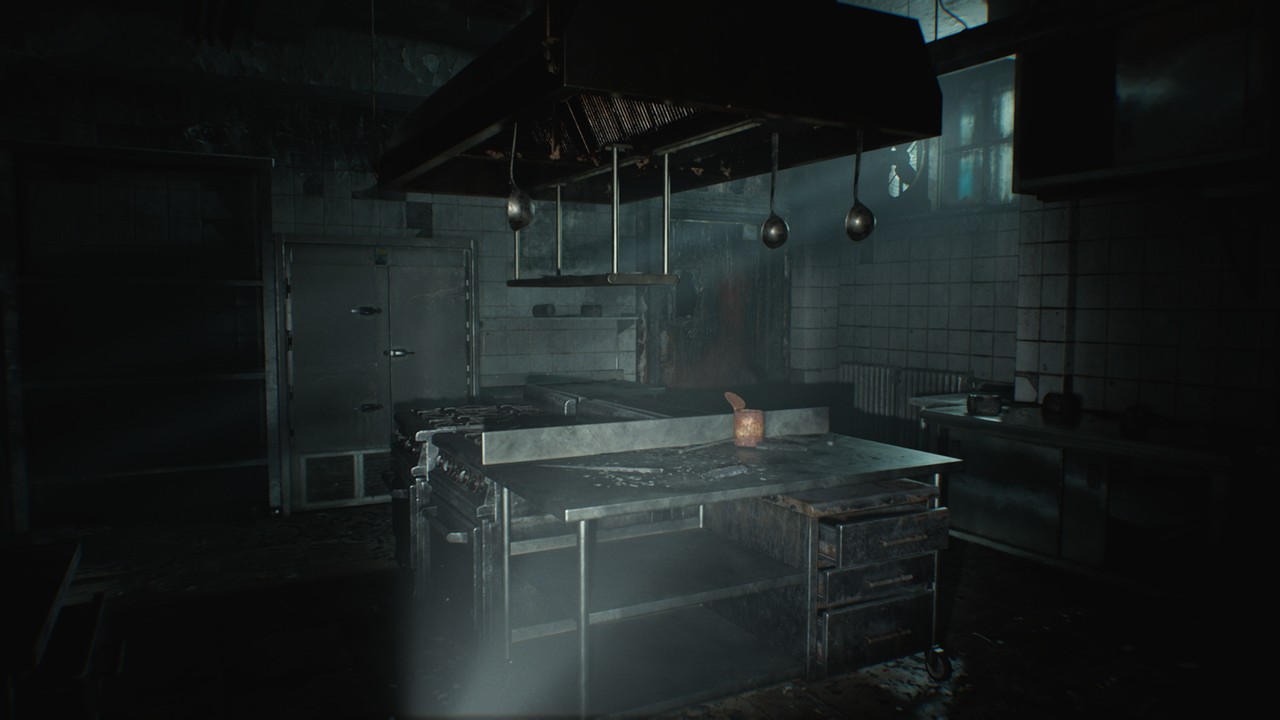
The local hospital is a chilling callback to the Resident Evil Outbreak era. Sterile, cold, and horrifyingly silent, it trades gothic texture for clinical dread.
Level design here is deliberately vertical and disorienting. Flooded basements hide aquatic mutations that react to sound. Elevator shafts become desperate escape routes. The rooftop offers a brief, false sense of safety before the next pursuit begins. The stark contrast between pristine white surgical suites and the wet, organic mass of a mutation creates a brand of body horror that feels peak Resident Evil.
Dynamic Fog: A Living Gameplay Mechanic
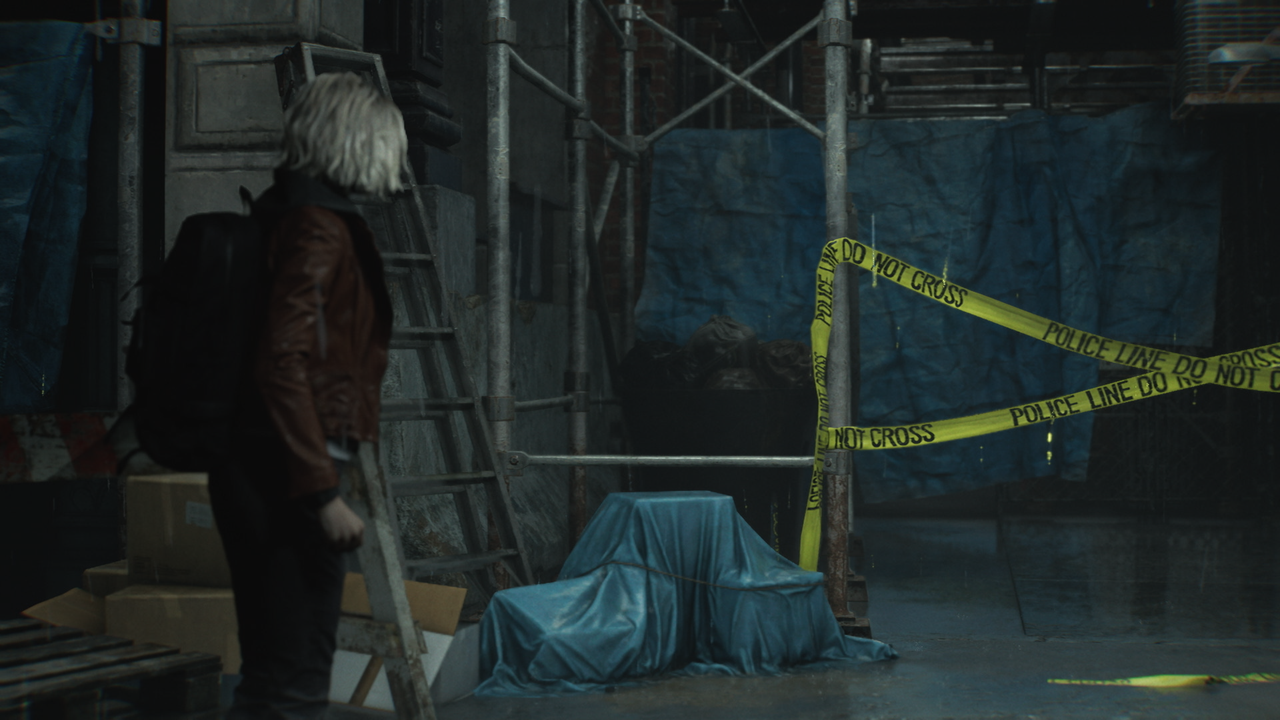
Wrenwood’s weather isn’t cosmetic. The Dynamic Fog System operates in real time, transforming how you navigate every street.
Thick fog reduces visibility to near zero, hiding shamblers until they’re inches from Grace’s face. When sight fails, the game leans heavily on directional audio. You’ll hear wet, squelching footsteps before you ever see the creature making them. Panic sets in not from what’s in front of you, but from what your ears tell you is closing in from the left.
I used to rely on my eyes. In RE9, I learned to rely on my ears. The first time a fog bank rolled in and I heard something breathing behind a dumpster, I actually paused the game to compose myself.
The Wrenwood Underground
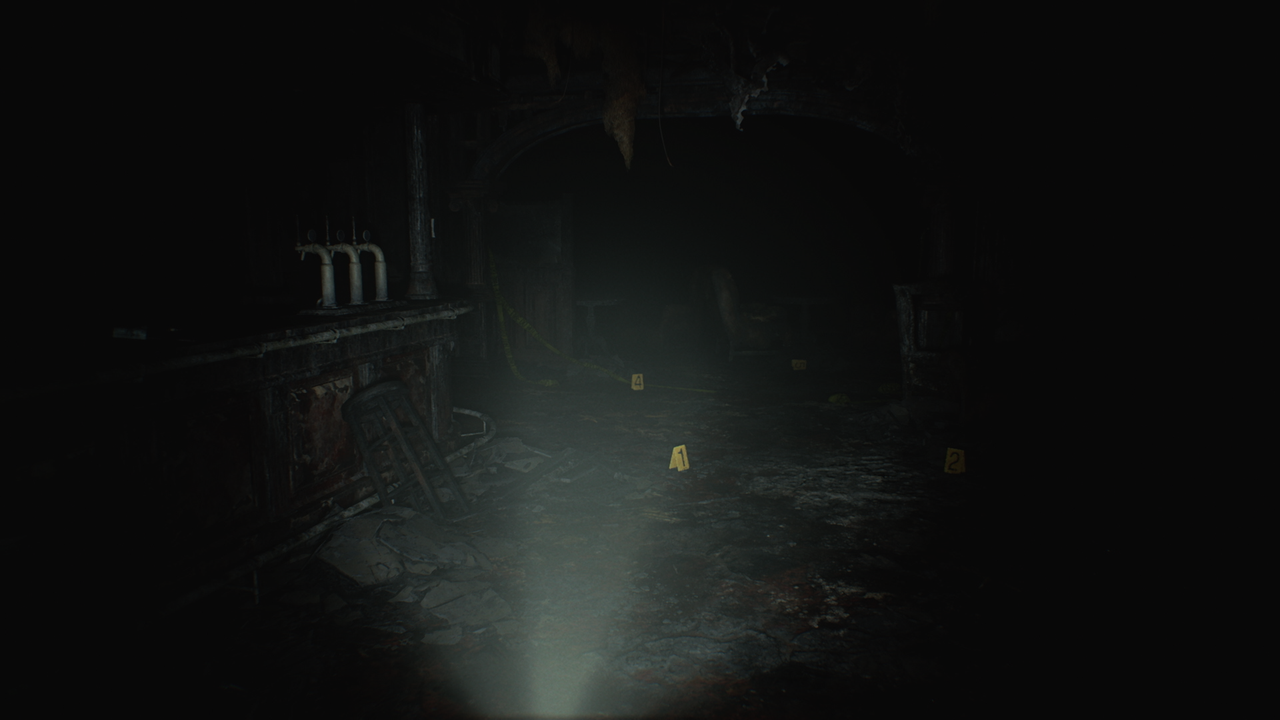
Beneath the decaying streets lies a sprawling labyrinth of subway tunnels and sewer systems, connecting the town’s major landmarks. This isn’t just a linear corridor—it’s a 3D puzzle.
Shortcuts can be unlocked, but the routes often demand you traverse high-risk zones. It’s a deliberate return to the Metroidvania-style map design of the early games, where mastering the layout is just as critical as mastering your aim. Exploration rewards you with crucial lore and resources; recklessness is punished with a swift trip to the Game Over screen.
Why Wrenwood Works
Capcom has pivoted firmly away from the supernatural overtones of Village and back toward grounded biological terror. Wrenwood feels like a real place—a decaying American town that could exist just off a forgotten highway. That plausibility makes the sight of a mutated monstrosity shambling through a laundromat or a grocery store aisle infinitely more terrifying than any haunted castle.
It’s a world that respects your intelligence, rewards thorough exploration, and never lets you forget that safety is an illusion. For fans of classic survival horror, Wrenwood isn’t just a setting. It’s a homecoming.